
Key Points:
- HCBS providers play a crucial role in stabilizing individuals with mental health disorders by offering personalized, in-home support services.
- Effective support includes care coordination, daily living assistance, crisis intervention, and skill development.
- Integrating HCBS with other therapeutic interventions, such as ABA therapy, can create a holistic path to long-term mental wellness.
Those searching for how HCBS providers can support patients with mental health disorders are likely navigating a world of uncertainty, trying to find answers for a loved one—or even themselves. It’s not just about understanding the definition of Home and Community-Based Services (HCBS); it’s about knowing how these services can actually create tangible, day-to-day relief for individuals living with conditions like depression, schizophrenia, anxiety, bipolar disorder, and more.
People facing mental health disorders often experience difficulty performing daily tasks, maintaining relationships, and staying consistent with care plans. HCBS programs are designed to bring professional support into the individual’s home and community—bridging the gap between clinical treatment and everyday life. This article explores how HCBS providers actively support mental health patients by delivering compassionate, structured, and person-centered care.
Bringing Mental Health Support into Familiar Environments
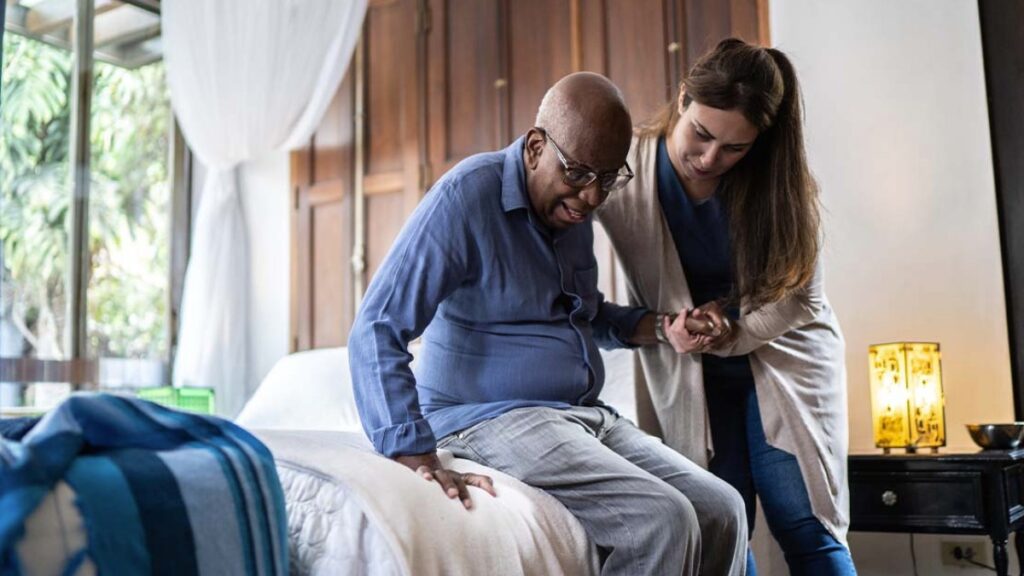
Unlike institutional settings, HCBS allows patients to receive assistance within their own homes and communities. This alone can reduce the anxiety that often comes with traveling to appointments or adjusting to unfamiliar clinical environments.
Living with mental illness often involves managing symptoms like social withdrawal, fear, or lack of motivation. With HCBS, care providers can work within the patient’s personal space to address specific behavioral needs, making therapy more relevant and accessible. For individuals with severe conditions who may avoid traditional appointments altogether, this model is often the only path to consistent care.
Personalized Care Plans that Address Unique Mental Health Needs
Every mental health disorder presents differently depending on the individual. HCBS providers are trained to build person-centered service plans (PCSPs) that reflect the patient’s diagnosis, functional limitations, goals, and cultural preferences.
For example, someone with obsessive-compulsive disorder (OCD) may need help managing daily rituals or reducing repetitive behaviors. Someone else with bipolar disorder might require assistance during depressive phases with tasks like hygiene, meal preparation, or medication adherence.
These tailored services can include:
- Behavioral support
- Medication reminders
- Coaching on coping skills
- Help managing doctor appointments
- Crisis de-escalation protocols
HCBS providers often work closely with licensed clinicians or therapists, offering non-clinical support that complements therapeutic interventions.
Teaching Life Skills for Long-Term Stability
Patients with mental health disorders often struggle with executive functioning—skills related to planning, organizing, and completing everyday tasks. HCBS staff support patients in developing or regaining these skills through structured guidance and real-time practice.
Examples of life skills training might include:
- Budgeting and money management
- Grocery shopping and meal prep
- Navigating public transportation
- Conflict resolution and communication techniques
- Household cleaning and organization routines
Empowering individuals with these skills, HCBS providers help reduce long-term dependency and promote independence—crucial factors in improving mental health outcomes.
Facilitating Community Engagement and Reducing Isolation
Mental health disorders frequently lead to isolation, which can worsen symptoms and hinder recovery. HCBS providers are trained to recognize when a patient is becoming socially withdrawn and to take proactive steps to reconnect them with their community. This might include arranging peer group meetings, coordinating local volunteer opportunities, scheduling recreational therapy, encouraging family involvement, and connecting individuals with faith-based or cultural organizations. These efforts not only promote social well-being but also help boost self-esteem, a key protective factor against the deterioration of mental health.
Supporting Crisis Prevention and Intervention
One of the most vital components of HCBS for mental health patients is crisis planning. Many individuals with chronic mental illnesses are vulnerable to episodes of acute distress that can result in hospitalization or even legal intervention.
HCBS teams develop individualized crisis plans that may include:
- Warning sign identification
- Coping strategies
- Emergency contact information
- De-escalation protocols for caregivers
- 24/7 on-call support (when available through local agencies)
Responding early to signs of deterioration, HCBS providers can help avoid psychiatric emergencies, improve patient safety, and ease the burden on families.
Collaborating with Other Mental Health Professionals
HCBS providers don’t work in a vacuum. They often form an integral part of the patient’s larger support team, collaborating with psychiatrists, therapists, case managers, and social workers.
This team-based approach improves care coordination and helps ensure the individual receives both clinical and practical support. Through regular communication and shared goals, HCBS providers can offer meaningful observations about the patient’s progress or signs of regression.
Serving as Advocates and Educators
Patients with mental illness—and their families—often feel overwhelmed by systems of care, insurance requirements, or legal obligations. HCBS professionals step in as advocates, helping individuals access entitlements, apply for benefits, or complete required documentation.
Additionally, they serve as educators—breaking down diagnoses into understandable terms, teaching family members how to provide supportive care, and guiding patients toward informed decisions about their treatment.
Offering Cultural and Linguistic Competence
Cultural sensitivity matters when supporting mental health. Beliefs about mental illness, willingness to seek treatment, and comfort with providers can vary widely between cultural groups.
HCBS programs that train their staff in cultural and linguistic competence can improve engagement, reduce stigma, and make services more effective. For example, a bilingual support worker might be able to explain a diagnosis more clearly or connect with a family that has previously avoided mental health care due to mistrust or language barriers.
Addressing Co-Occurring Challenges Like Substance Use or Trauma
Mental health disorders rarely exist in isolation. Many patients also face substance use disorders, trauma histories, or developmental disabilities. HCBS providers are trained to recognize these overlapping challenges and tailor support accordingly.
For example, an individual with PTSD may need a modified support plan that limits exposure to triggering situations or includes trauma-informed care techniques. Those with co-occurring substance use issues might need referrals to detox services or help attending recovery meetings.
This comprehensive view ensures the individual receives well-rounded care, not piecemeal interventions.
Supporting Youth and Families Navigating Mental Health Struggles
Adolescents and young adults facing mental health issues present unique needs. HCBS for youth may involve family counseling, school coordination, and helping teenagers manage peer relationships or school pressures.
For parents, the journey can be emotionally exhausting. HCBS teams can reduce this burden by acting as liaisons between families and schools, helping with IEPs, and coaching parents on how to respond supportively to their child’s behavior.
How HCBS Encourages Community Integration and Independence
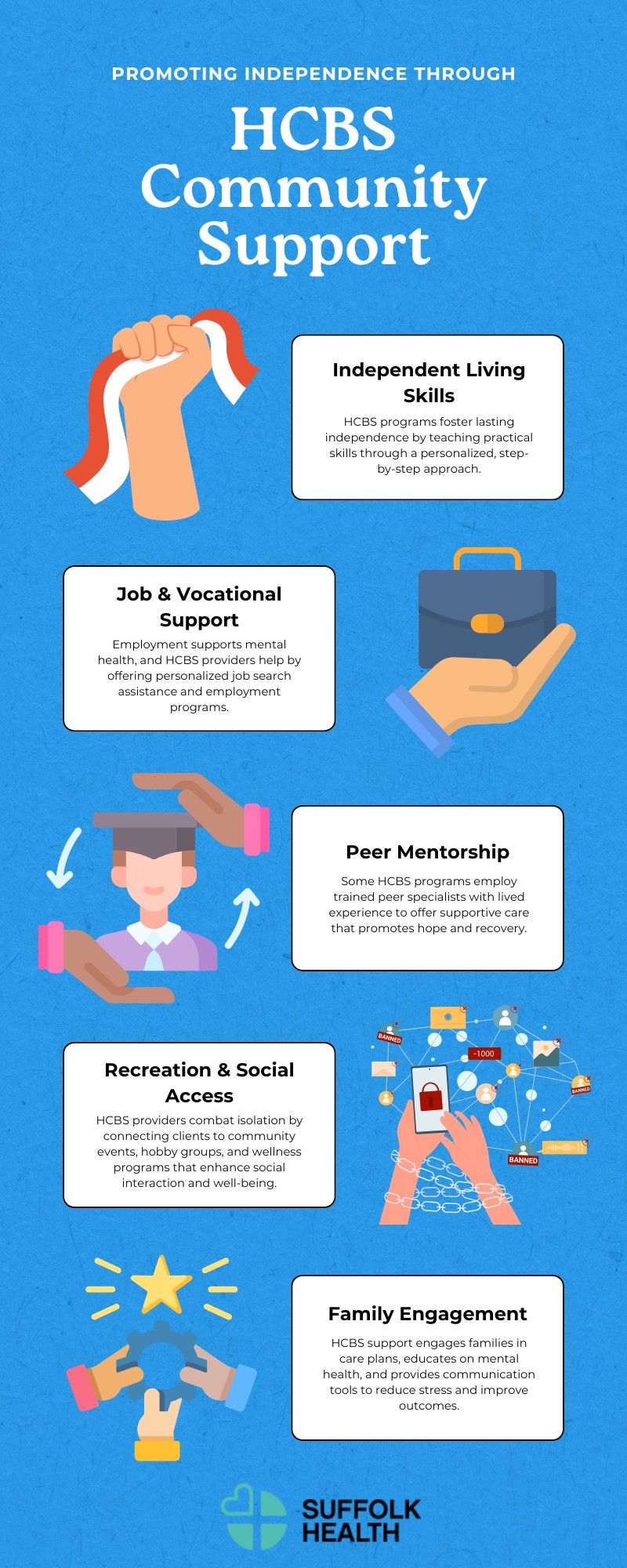
Beyond daily support, HCBS providers play a major role in helping individuals with mental health disorders become more involved in their communities, regain confidence, and work toward long-term stability. Here’s how they do it:
Why ABA Therapy Still Matters in the Mental Health Landscape
While HCBS is central in managing daily functioning and life skills for those with mental health disorders, other interventions—like Applied Behavior Analysis (ABA) therapy—play a key role in behavioral development. ABA therapy, especially when offered as a standalone service, helps individuals develop emotional regulation, coping strategies, and communication skills, particularly for those with overlapping diagnoses such as autism spectrum disorder.
Combining HCBS for environmental support and ABA therapy for behavioral treatment, families can establish a well-rounded care model that fosters both stability and growth. Reach out to explore whether ABA therapy could complement your mental health care approach.
Get Compassionate Mental Health Support at Home
If you’re caring for someone with a mental health disorder, you don’t have to manage it alone. Compassionate, consistent support can make all the difference. At Suffolk Health, we provide home and community-based services in Long Island, New York that focus on empowering individuals to live full, stable lives while managing their mental health challenges.
Our trained professionals offer tailored care plans, life skill coaching, and practical daily support—all delivered right at home. Whether your loved one needs help with routines, crisis planning, or social reintegration, our team stands ready to walk beside you every step of the way.
To learn how Suffolk Health’s HCBS services in Long Island can help support your family, contact us today. Your journey toward mental wellness starts at home—with the right support system by your side.
