



fireplace3834
fireplace3834
Five Killer Quora Answers To Cozy Fireplaces
Cozy Fireplaces: The Heart of Home Comfort
As the chill of winter settles in, there’s nothing quite like the heat of a cozy fireplace to produce a welcoming environment. Fireplaces act as more than just sources of heat; they are centerpieces around which families collect, stories are shared, and memories are made. This blog site post looks into the types of fireplaces, their advantages, upkeep tips, and responses to regularly asked questions, guaranteeing you understand why a fireplace can be the soul of your home.
The Different Types of Fireplaces
When it pertains to fireplaces, home style offers a range of choices that deal with different tastes and preferences. Below is a table that categorizes fireplaces by type, with a short description of each:
| Type of Fireplace | Description |
|---|---|
| Wood-Burning | Standard fireplaces that utilize logs as fuel, creating a timeless crackling ambiance and fragrance. |
| Gas Fireplaces | Hassle-free and efficient, these fireplaces utilize gas or propane, providing instantaneous heat and flames. |
| Electric Fireplaces | These mimic flames utilizing LED technology and can be easily set up, offering a hassle-free alternative. |
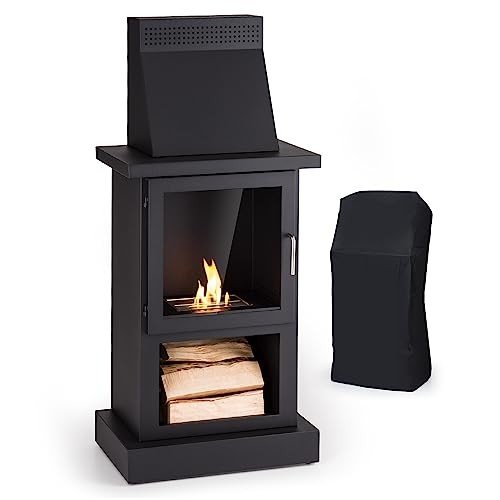
| Bioethanol Fireplaces | Environment-friendly choices that utilize bioethanol fuel, producing real flames without smoke or soot. |
| Pellet Stoves | Use compressed wood or biomass pellets, using a sustainable and effective heating option. |
| Masonry Fireplaces | Developed from brick or stone, these fireplaces are long lasting and can be customized to fit any home style. |
Choosing the Right Fireplace
When selecting a fireplace for your home, several elements come into play. Here are crucial factors to consider to bear in mind:
- Fuel Type: Think about the type of fuel that is most available and convenient for you.
- Space Requirements: Consider the size of the space where the fireplace will be installed.
- Design and style: Your choice should show your home’s aesthetic. For instance, a rustic cabin might take advantage of a wood-burning charm, while a modern loft may be much better matched for an electric design.
- Budget plan: Factor in both the initial investment and ongoing fuel or upkeep expenses.
- Local Regulations: Be conscious of any constraints or codes in your area regarding fireplace installations and emissions.
Advantages of Having a Fireplace
Fireplaces offer numerous advantages that extend beyond simple heat. Below is a summary of essential benefits:
| Benefit | Description |
|---|---|
| Aesthetic Appeal | Improves the total visual appeal of a home. |
| Cozy Ambiance | Produces a warm, inviting environment perfect for events. |
| Increased Home Value | Typically increases marketability and resale value of a property. |
| Energy Efficiency | Can decrease heating expenses when made use of efficiently. |
| Emergency Heat Source | Supplies reliable heat during power failures. |
How to Maintain Your Fireplace
Routine upkeep is essential for making sure that your fireplace operates safely and effectively. Here is a list for maintaining various kinds of fireplaces:
-
Wood-Burning Fireplaces:
- Chimney Cleaning: Have a professional check and clean up the chimney at least once a year to prevent creosote accumulation.
- Check the flue: Ensure the flue opens and closes appropriately.
- Check for damage: Look for fractures or indications of wear in the masonry.
-
Gas Fireplaces:
- Check the pilot light: Ensure it’s working correctly.
- Clean the vents: Keep air pathways clear to keep performance.
- Look for gas leaks: Use a soap option to discover any leakages around the fittings.
-
Electric Fireplaces:
- Check the electrical connections: Ensure that all circuitry is safe and secure and intact.
- Clean the system: Dust and clean down surface areas to maintain appearance and function.
-
Bioethanol Fireplaces:
- Refill with fuel: Ensure that the tank is filled and that you’re utilizing the proper bioethanol.
- Regular cleaning: Wipe down surfaces to prevent residue buildup.
-
Pellet Stoves:
- Empty the ash pan: Regular cleansing avoids obstructions and inefficiency.
- Annual examination: Schedule a yearly check-up for motor and heat exchange parts.
Regularly Asked Questions (FAQ)
1. How do I choose the ideal kind of fireplace for my home?
Choosing the right fireplace depends upon your aesthetic preferences, heating requirements, and the environment around your home. Think about elements such as fuel accessibility, maintenance requirements, and local regulations.
2. Are gas fireplaces safe?
Yes, gas fireplaces are typically safe when installed properly and preserved. It’s essential to have them inspected consistently by a qualified technician to guarantee safe operation.
3. Can I utilize my wood-burning fireplace if I have a metal chimney?
Yes, wood-burning fireplaces can be utilized with metal chimneys, but ensure that they are rated for high temperature levels and follow regional codes for setup.
4. What can I do if my electric fireplace isn’t working?
If your electric fireplace isn’t operating, examine the power supply, breaker, and any push-button controls or switches. If issues persist, speak with a licensed electrical contractor.
5. What is the most efficient type of fireplace?
Pellet stoves are favored for their energy effectiveness, as they burn compressed pellets that deliver more heat with less waste. Gas fireplaces are likewise extremely effective due to their controlled combustion.
Cozy fireplaces are more than just functional heating appliances; they embody comfort, discussion, and connection. With various choices available– from the traditional charm of wood-burning units to the modern benefit of electric models– there’s a fireplace to fit every home. By understanding the benefits, maintenance requirements, and how to choose the best type, house owners can take pleasure in the inviting heat and appeal that a fireplace brings, making it the heart of their home. Accept the coziness and let the flames flicker as you create lasting memories!