



drainage7252
drainage7252
10 Facts About Gutter Maintenance That Make You Feel Instantly Good Mood
The Ultimate Guide to Gutter Maintenance: Keeping Your Home Safe and Dry
Gutters are a vital part of any home’s drainage system, and they play an important function in protecting the structure from water damage. Routine gutter maintenance can prevent expensive repairs and keep your residential or commercial property’s aesthetic appeal. In this thorough guide, we will explore the value of Gutter System maintenance, best practices, and suggestions for ensuring your gutters function effectively.
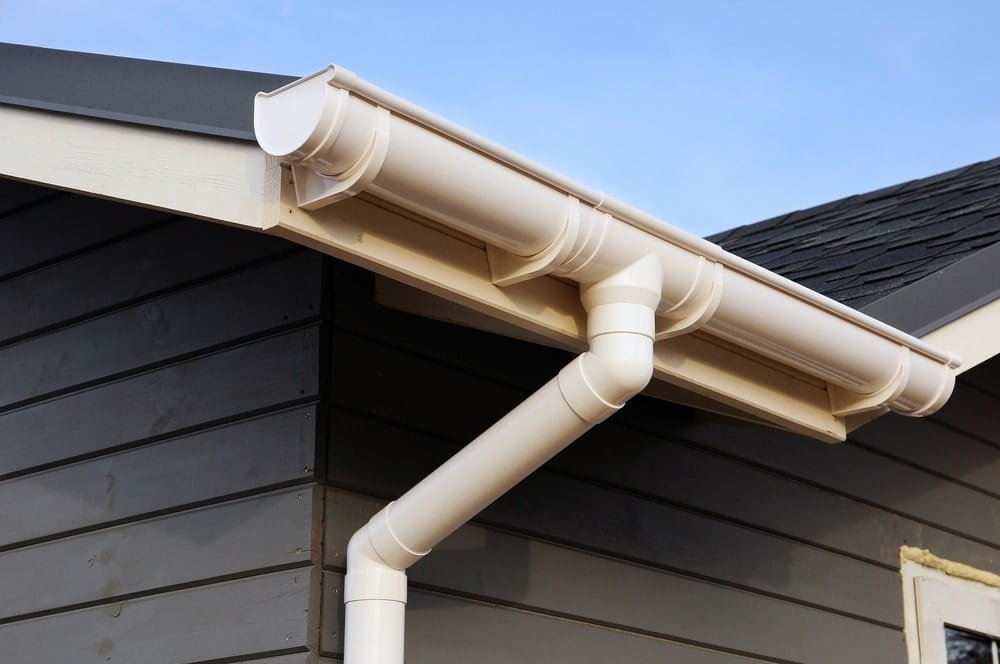
Why Gutter Maintenance is essential
Gutters are created to gather rainwater and direct it away from the structure of your home. Without proper maintenance, a number of concerns can develop, including:
-
Water Damage: Clogged or damaged gutters can cause overflow, triggering water to seep into your home’s walls and structures, resulting in mold and structural damage.
-
Insect Infestations: Stagnant water in clogged gutters can attract insects such as mosquitoes, rodents, and birds, producing additional problems around your home.
-
Landscaping Damage: Overflowing gutters can wear down landscaping and trigger soil disintegration, leading to pricey repairs.
-
Foundation Problems: Excess water pooling around the foundation can lead to fractures and other major foundation concerns.
Table 1: Potential Consequences of Neglected Gutters
| Repercussion | Description | Expense of Repair |
|---|---|---|
| Water Damage | Mold, rot, and structural damage from water invasion | ₤ 1,000 – ₤ 5,000+ |
| Pest Infestations | Bugs and rodents drew in to stagnant water | ₤ 200 – ₤ 2,500+ |
| Landscaping Damage | Soil erosion and damage to gardens and lawns | ₤ 500 – ₤ 2,000+ |
| Foundation Problems | Fractures and instability in the home’s structure | ₤ 2,000 – ₤ 10,000+ |
Best Practices for Gutter Maintenance
1. Routine Inspections
Homeowners need to examine their gutters a minimum of two times a year, preferably in the spring and fall. Throughout these evaluations, look for signs of wear and tear, consisting of:
- Rust or rust
- Split or broken sections
- Loose or removed sections
- Accumulated debris
2. Cleaning
Routine cleaning is vital to guarantee gutters work effectively. The frequency of cleaning depends on the surrounding environment. Here’s a fundamental guideline:
- Moderate Tree Coverage: Every 6 months
- Heavily Wooded Areas: Every 3 months
- Very Little Tree Coverage: Once a year
Table 2: Gutter Cleaning Frequency Recommendations
| Environment Type | Cleaning Frequency |
|---|---|
| Moderate Tree Coverage | Every 6 months |
| Greatly Wooded Areas | Every 3 months |
| Very Little Tree Coverage | As soon as a year |
Cleaning Steps:
- Gather Equipment: Use gloves, a ladder, a trowel or scoop, a hose, and safety goggles.
- Get rid of Debris: Carefully remove leaves, branches, and other debris from the gutters.
- Flush with Water: Use a pipe to flush the gutters and downspouts, making sure correct water circulation.
- Look for Blockages: Ensure downspouts are clear. Use a plumbing technician’s snake if necessary.
3. Repairs and Replacements
Inspect for damage and make repairs as needed. Common repairs consist of:
- Sealing Leaks: Use silicone sealant or gutter sealant to patch leaks.
- Replacing Sections: If an area of your gutter is beyond repair, it might require to be replaced completely.
- Reattaching Loose Gutters: Ensure all sections are safely attached to the home.
4. Installing Gutter Guards
For homeowners looking to minimize maintenance, setting up gutter guards can substantially decrease particles accumulation. These screens or covers allow water to stream while keeping leaves and branches out.
5. Professional Maintenance
If gutter maintenance feels frustrating or if your home has multi-story gutters, working with a Professional Gutters service might be the very best choice. Professional gutter cleaning services have the right tools and competence to guarantee your gutters are thoroughly cleaned up and kept.
Seasonal Checklist for Gutter Maintenance
Spring
- Check for damage after winter.
- Tidy gutters of any particles that accumulated.
Summer
- Guarantee downspouts are working appropriately.
- Look for bugs and act if necessary.
Fall
- Clean gutters of leaves and debris.
- Examine once again for any damage before winter season.
Winter
- Make sure gutters are clear of snow and ice to avoid ice dams.
Frequently Asked Questions (FAQ)
Q1: How typically should I clean my gutters?
A: It is generally recommended to clean gutters every 6 months. Nevertheless, if you live in an area with numerous trees, it may be required to clean them quarterly.
Q2: What are the signs that my gutters are overflowing?
A: Signs of overflowing gutters consist of water spilling over the edges during rain, water stains on your home’s outside, and accumulation of debris near the structure.
Q3: Can I clean my gutters myself?
A: Yes, numerous house owners select to clean their own gutters. Nevertheless, if you’re not comfy using a ladder or if your gutters are high up, consider working with a professional.
Q4: What should I do if my downspouts are clogged?
A: Use a plumber’s snake or a high-pressure water pipe to unclog downspouts. If the blockage persists, it may need professional assistance.
Q5: How can I tell if my gutters require repair?
A: Look for rust, fractures, and misaligned areas throughout your inspections. If you notice any of these problems, it might be time to repair or change portions of your gutters.
Routine gutter maintenance is necessary for securing your home from water damage and ensuring a lasting drainage system. By following the best practices detailed in this guide, house owners can preserve their Seamless Gutters effectively and effectively. Whether through DIY cleaning and inspections or engaging professional services, proactive maintenance is essential to extending the life of your gutters and protecting your home.