



drainage6638
drainage6638
Nine Things That Your Parent Taught You About Experienced Guttering
Understanding Experienced Guttering: A Comprehensive Guide
Guttering may not be the most glamorous aspect of home maintenance, however it’s an important part of any structure’s infrastructure. An experienced guttering system effectively channels rainwater away from a structure, safeguarding it from a myriad of possible damages. This blog site post explores the significance of experienced guttering, its various components, installation procedures, and maintenance ideas to ensure durability and performance.
What is Guttering?
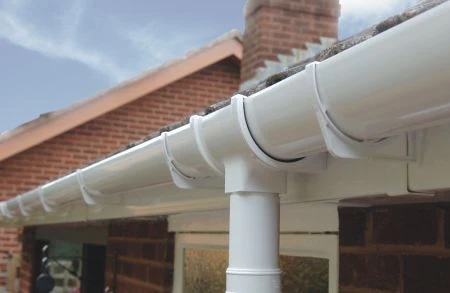
Guttering describes the system of troughs and pipelines that gather rainwater from a roof and divert it away from the structure of a structure. It typically includes components like gutters, downspouts, and rainwater diverters. A properly designed guttering system prevents water from pooling around the structure, preventing structural damage, mold development, and erosion.
Significance of Experienced Guttering
-
Prevents Water Damage:
- Water pooling around the structure can lead to severe structural problems, including cracks and foundation sinking. An effective guttering system is essential in rerouting rainwater.
-
Protects Landscaping:
- Without a proper guttering system, rainwater can remove soil, damage plants, and create unattractive disintegration in flower beds and yards.
-
Averts Mold and Mildew:
- Excess wetness can cause mold development around the home. Experienced guttering assists alleviate this threat.
-
Improves Roof Lifespan:
- Proper drainage can extend the lifespan of roofing materials by avoiding water build-up and subsequent leakages.
-
Enhances Indoor Air Quality:
- By managing wetness levels successfully, a sound guttering system can also add to much better indoor air quality.
-
Adds Value to Property:
- An effective guttering system can enhance a home’s aesthetic appeal and avoid possible future repairs, thus increasing property value.
Elements of an Experienced Guttering System
An effective guttering system comprises several crucial components. Comprehending these elements can help property owners appreciate their functionality and ensure appropriate maintenance.
| Part | Description |
|---|---|
| Gutters | Channels that collect rainwater from the roof and direct it to downspouts. |
| Downspouts | Vertical pipelines that carry water from gutters to the ground or drainage system. |
| End Caps | Covers for completions of gutters to keep water from pooling. |
| Elbows | Angled pieces that direct water at corners or reversals. |
| Hangers | Assistance brackets that secure gutters to the building. |
| Leaf Guards | Filters that avoid particles from clogging the gutters. |
| Splash Blocks | Devices placed at the bottom of downspouts to distribute water circulation. |
Installation Process
Setting up an experienced guttering system needs careful preparation and accuracy. Here’s a step-by-step breakdown of the installation process:
-
Planning and Measurements:
- Begin by measuring the roofline to determine the required length of gutters and downspouts. Mark the places for brackets and downspouts.
-
Picking Materials:
- Choose top quality products that match your local environment. Typical materials include aluminum, galvanized steel, vinyl, and copper.
-
Cutting the Gutters:
- Cut the gutter lengths to the defined sizes. Seamless gutters can be made on-site by professionals.
-
Installing Hangers:
- Attach hangers every 2 feet along the gutters to hold them firmly in location.
-
Setting up Gutters:
- Secure the gutters to the hangers, ensuring they have a minor slope toward downspouts for optimum water circulation.
-
Fitting Downspouts:
- Attach downspouts to designated sections of the gutter. Ensure they are vertical and safely fastened.
-
Including Leaf Guards:
- If wanted, set up leaf guards to reduce debris accumulation and reduce maintenance needs.
-
Final Inspection:
- Conduct an extensive inspection to guarantee all elements are firmly fitted and operating as intended.
Maintenance Tips for Guttering
To keep a guttering system working efficiently, routine maintenance is essential. Here are some suggestions for property owners:
-
Regular Cleaning:
- Clean gutters at least twice a year. Get rid of leaves, branches, and particles to prevent clogs.
-
Examine for Damage:
- Regularly examine for rust, cracks, or loose wall mounts. Attend to any problems to avoid expensive repairs.
-
Clear Downspouts:
- Ensure downspouts are clear of obstructions. Water ought to stream easily without pooling.
-
Test Water Flow:
- After heavy rain, observe the water circulation to ensure it is being diverted away from the foundation.
-
Employ Professionals:
- Consider employing experienced guttering professionals for periodic evaluations and cleaning for an extensive task.
Frequently Asked Questions (FAQ)
Q1: How typically ought to I clean my gutters?A1: It’s advised to clean your gutters a minimum of two times a year– when in spring and when in fall. Nevertheless, if your home is surrounded by trees, you may need to clean them more regularly. Q2: How can I inform if my gutters are clogged?A2: Signs
of clogged gutters consist of water spilling over the sides, sagging gutters, and water pooling around the structure or near the downspouts. Q3: What materials are best for gutters?A3: The best products depend on your spending plan and preferences. Aluminum is light-weight and resistant to rust, while copper uses durability and aesthetic appeal however at a greater cost. Q4: Can I install gutters myself?A4: While DIY installation is possible, it’s frequently helpful to hire professionals for a premium installation that ensures correct slope and positioning. Q5: What are leaf
guards, and are they worth it?A5: Leaf guards are protective mesh systems that prevent particles from entering gutters. They can significantly reduce maintenance time and deserve the financial investment, especially in locations with many trees. An Experienced Guttering (Https://codimd.communecter.org/) system is crucial for the overall health and integrity of a home. By comprehending its parts, installation processes, and maintenance needs, property owners can guarantee their guttering systems work effectively, securing
their home from water damage and enhancing its value. Regular maintenance and, when needed, professional assistance can go a long way in making sure a home remains safe, dry, and structurally noise.